

— Weight management · September 21, 2026
Best Way to Get Rid of Fat: Discover Effective Weight Loss Solutions
Understanding lifestyle changes, medical support, and surgical weight-loss options can help you have a more informed conversation about the approach that fits your health and goals.

Losing excess body fat is about more than changing your appearance. Maintaining a healthy weight can improve your overall health, increase mobility, and reduce the risk of obesity-related conditions, including type 2 diabetes and high blood pressure.
But what is the best way to get rid of fat? The answer depends on your individual health, lifestyle, and weight loss goals. From nutritional changes to surgical weight loss options, understanding the available solutions can help you make informed decisions.
There is no single best solution for everyone
Body weight is influenced by many factors, including eating patterns, activity, sleep, medicines, health conditions, family history, and genetics. An effective weight loss solution should therefore be based on a complete health assessment—not a promise of rapid results or a one-size-fits-all plan.
A safe starting point: Speak with a qualified health care professional about how your weight affects your health, which goals are realistic, and whether lifestyle care, medication, or metabolic surgery should be considered.
— Nourish your body
Build sustainable nutrition habits
A healthy eating pattern can support gradual fat loss when it provides the nutrients your body needs while helping you manage total calorie intake. The goal is not simply to eat less for a few weeks, but to develop habits you can maintain.
Choose vegetables, fruit, lean protein, whole grains, and other nutrient-dense foods.
Limit foods and drinks that add many calories without helping you feel satisfied.
Use portions that fit your individual energy and medical needs.
Track your progress and ask a registered dietitian or nutrition professional for support.

Balanced meals can support healthy, sustainable habits.
— Find your rhythm
Add physical activity you can do safely
Physical activity supports weight management and offers benefits beyond the number on the scale. NIDDK guidance notes that regular aerobic activity may help reduce risks such as high blood pressure and high blood glucose and may also support mental health.
Federal guidance generally recommends at least 150 minutes of moderate-intensity aerobic activity each week for healthy adults, plus muscle-strengthening activity on two or more days. If you have a health condition or limited mobility, ask your health care professional which activities are appropriate for you.

Choose movement you enjoy and can maintain safely.
— Get expert support
Consider medical weight-management options
For some people, lifestyle changes alone do not produce or maintain enough weight loss. A clinician may discuss prescription weight-management medicines as one part of a broader plan. These medications work in different ways and require medical screening, follow-up, and continued attention to nutrition and physical activity.
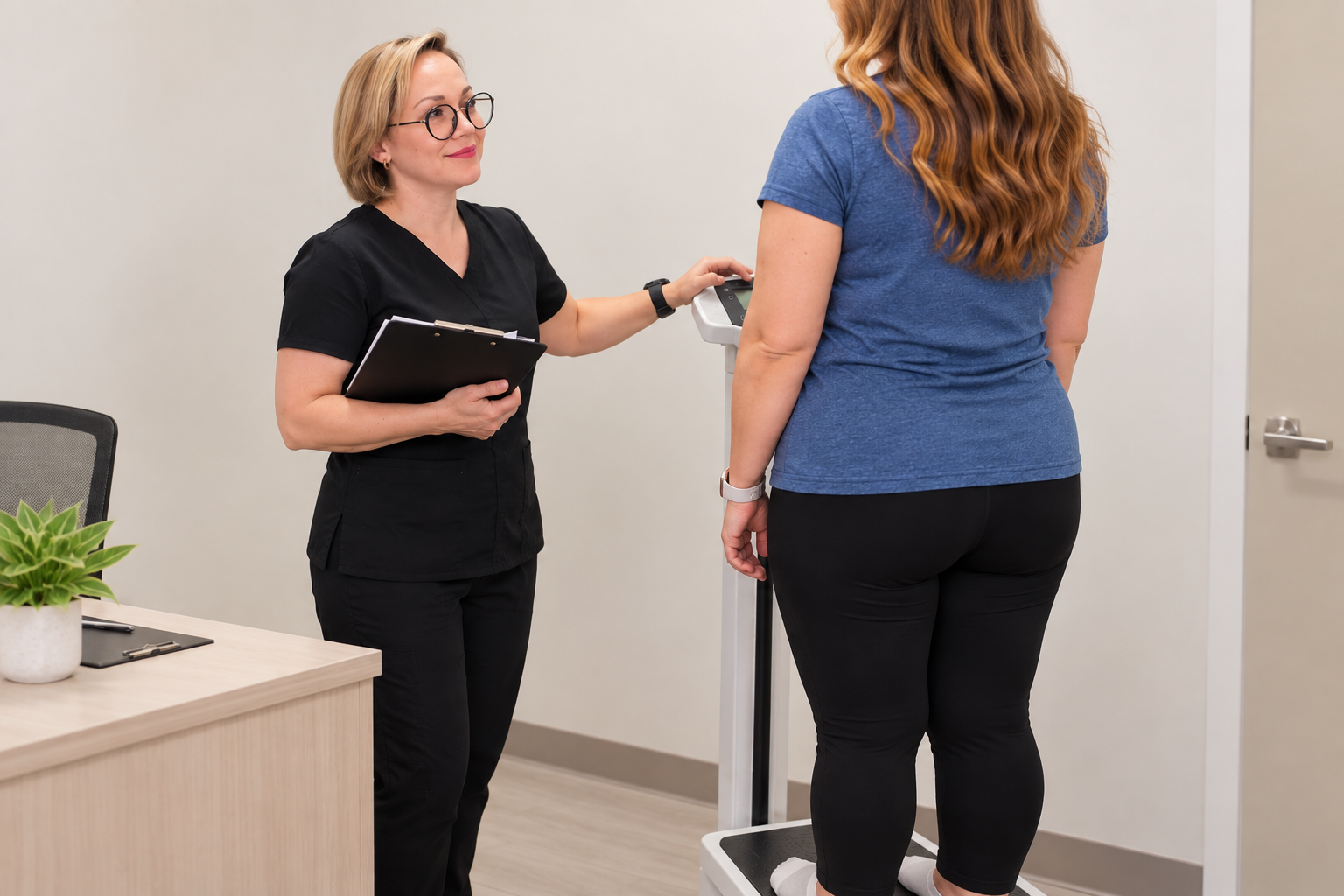
Medical guidance helps match care to your individual needs.
— Explore your options
Understand surgical weight loss options
Weight-loss surgery—also called metabolic and bariatric surgery—changes the digestive system to support substantial, durable weight loss. Common weight loss surgeries include vertical sleeve gastrectomy and gastric bypass. The appropriate procedure depends on factors such as medical history, BMI, reflux, previous operations, and long-term health goals.
NIDDK explains that metabolic and bariatric surgery may help people lose weight and improve health problems related to obesity. It also carries risks and requires lifelong follow-up, nutrition changes, and vitamin or mineral monitoring. A bariatric surgeon should review both the potential benefits and possible side effects with you.

For those who qualify, surgery can be an effective long-term tool.
How do you choose the right path?
The best way to reduce weight safely is the approach that addresses your health risks, is realistic for your daily life, and includes qualified support. Start by asking:
✓ How is my current weight affecting my health?
✓ What amount of weight loss would provide a meaningful health benefit?
✓ Which options have I already tried, and what made them difficult to maintain?
✓ Could medication or surgery be appropriate for my medical situation?
✓ What follow-up support will I need to maintain results?
Explore your options with an experienced team
Our coordinators can help you learn about surgical weight-loss options and arrange an individualized evaluation with Dr. Sergio Quiñones and the metabolic surgery team.
References
Centers for Disease Control and Prevention. Steps for Losing Weight.
Centers for Disease Control and Prevention. Adult Activity: An Overview.
Health information: This article is educational and does not replace individualized advice. If you have a medical condition or are recovering from surgery, discuss activity and treatment changes with your clinician.
Dr. Sergio Quiñones Metabolic Surgery Center · Educational information, individualized care.