

— 2026 Patient guide
The best weight loss options in 2026 — and an honest way to choose yours.
If you have been fighting your weight for years, you are not out of options. Today the path runs from GLP-1 medications to gastric sleeve surgery. This guide explains how each one works, what it really costs over time, and when one makes more sense than the other.
— Our honest take
Only need to lose a modest amount? You may not need surgery.
A good nutritionist working together with an endocrinologist, often with a GLP-1 medication, can treat a modest amount of excess weight very well. If that is you, we will tell you so at your evaluation.
Surgery earns its place in two situations: when the weight has come back again and again over the years because the underlying habits and hunger never changed, or when the weight is already adding other health problems. In those cases, a one-time surgical solution is often the better and less costly choice over the long run.
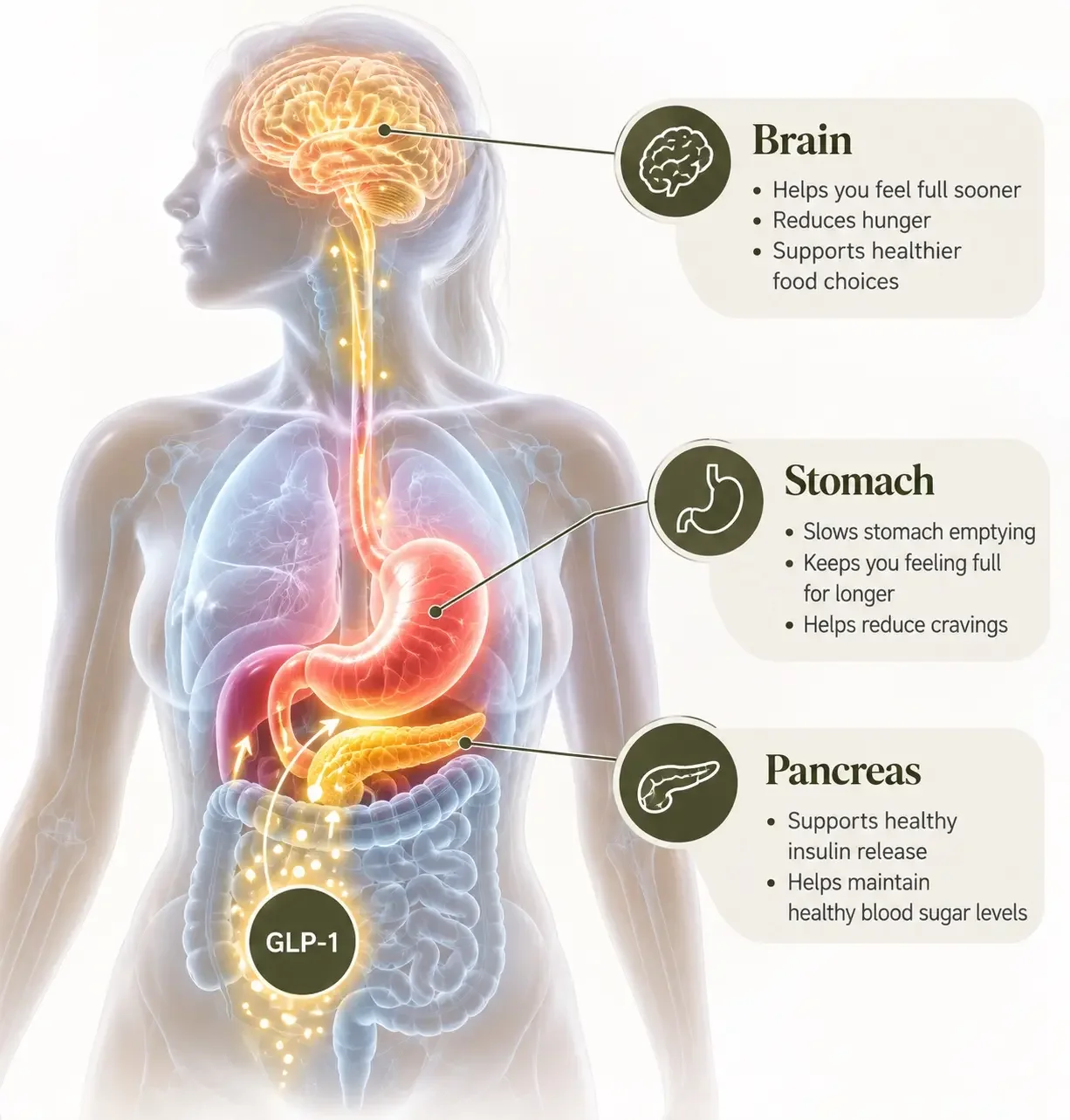
GLP-1 medications affect appetite, stomach emptying, and blood sugar regulation. Simplified illustration.
— Option 1 · Medical
GLP-1 medications: how they work
After you eat, your gut releases a hormone called GLP-1 that tells your body you are full. Medications like semaglutide (Wegovy) and tirzepatide (Zepbound) copy that signal and make it last much longer. In 2026 they come as a weekly injection or, for semaglutide, a daily pill.
~15%
Average body weight lost with semaglutide in the STEP 1 trial (68 weeks)
~21%
average with the highest dose of tirzepatide in the SURMOUNT-1 trial (72 weeks)
Common side effects are nausea, constipation or diarrhea, mostly while the dose is being increased. The medication has to be managed by a physician.
— The part most ads leave out
GLP-1s work while you take them
In the STEP 1 trial extension, people who stopped semaglutide regained about two-thirds of the weight they had lost within one year. For most patients these medications are a long-term treatment, not a one-time fix, and the monthly cost continues for as long as you need them.
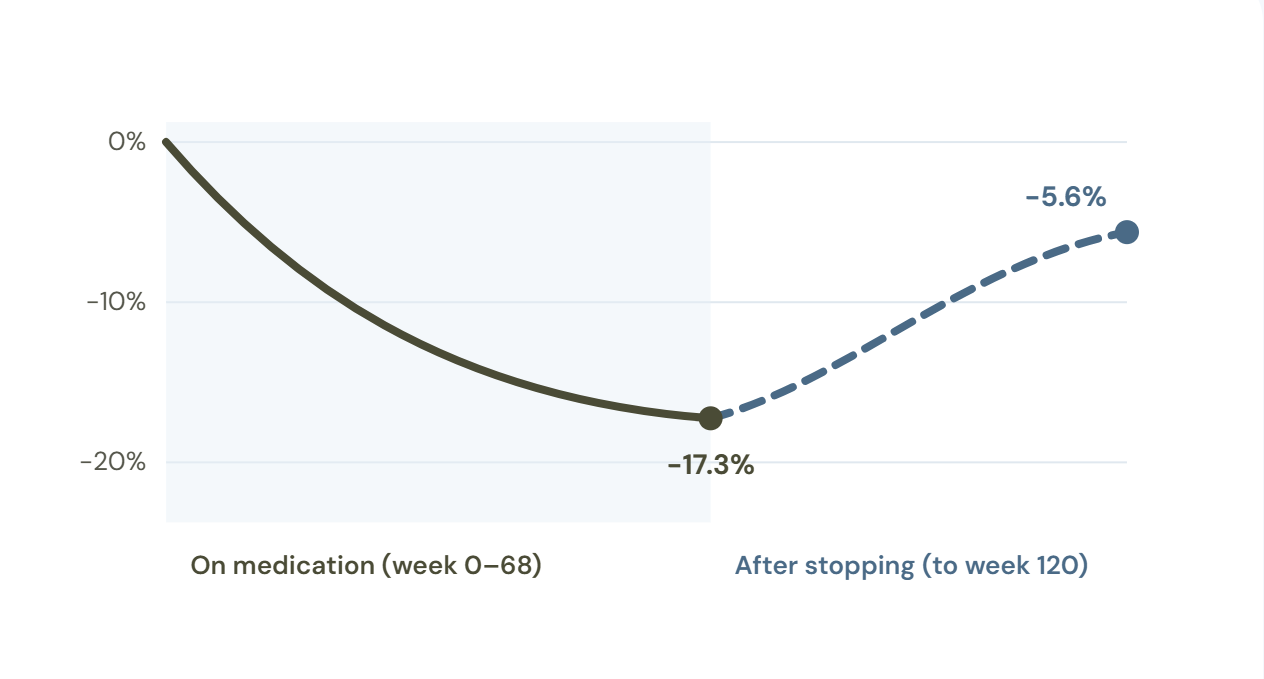
Average body weight change, semaglutide group. Source: Wilding et al., STEP 1 trial extension, Diabetes, Obesity and Metabolism (2022).
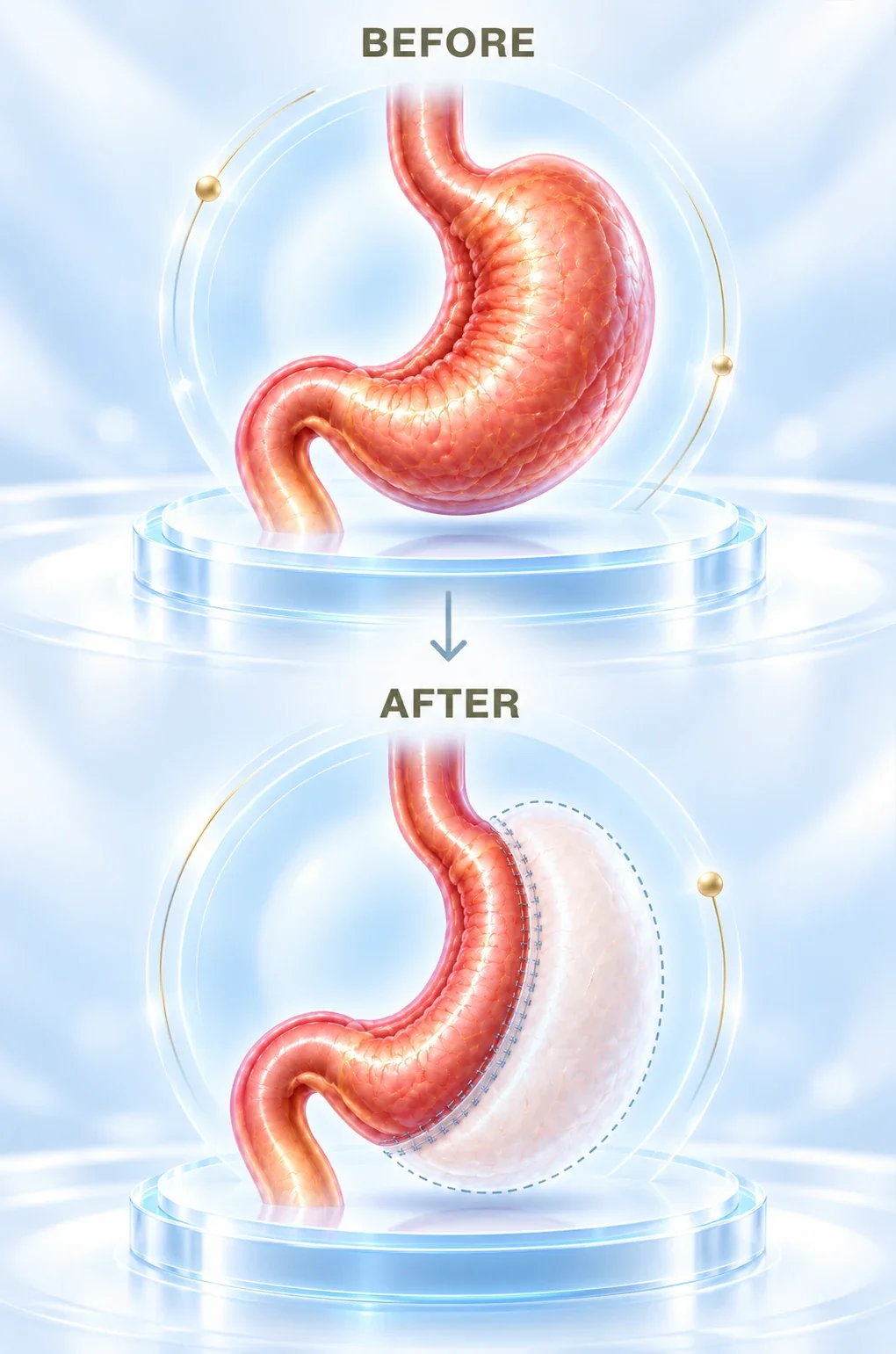
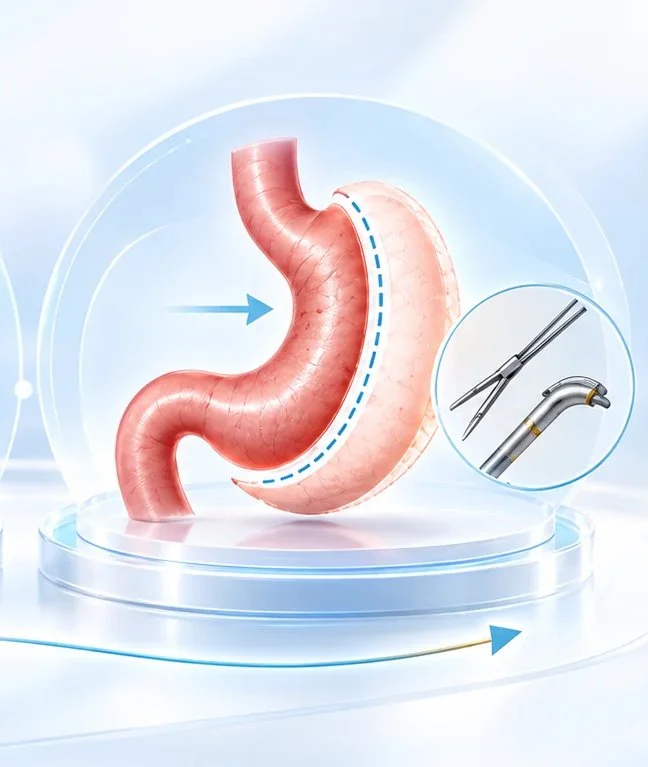
A gastric sleeve removes part of the stomach, leaving a smaller sleeve-shaped stomach. Simplified illustration.
— Option 2 · Surgical
Gastric sleeve: a one-time, lasting change
Through a few small incisions, the surgeon removes most of the stomach and leaves a narrow sleeve. You feel full with small portions, and because the part that produces most of the hunger hormone is gone, many patients describe a quieter appetite, the same effect people seek from medication, without a monthly refill.
Typical result: roughly 25–30% of total body weight in the first one to two years.
Metabolic benefit: type 2 diabetes, high blood pressure and sleep apnea often improve, and sometimes resolve.
One procedure: the change to your stomach is permanent, so the tool does not stop working when a prescription ends.
To be clear: it is still surgery, with real risks such as bleeding, leaks and new or worse acid reflux. You will take vitamins for life and follow a new way of eating. Habits still matter, the sleeve just makes them far easier to keep.
— Side by side
GLP-1 medication vs. gastric sleeve
Nutrition + endocrinology + GLP-1
Gastric sleeve
How it works
Typical weight loss
How long it lasts
Your commitment
Main downsides
Best fit
Medication copies a fullness hormone; diet and medical follow-up support it
About 15–21% of body weight on average in major trials
While you keep taking it; most weight tends to return after stopping
Weekly shot or daily pill, regular doctor visits, ongoing refills
Stomach side effects, cost that never ends, regain if stopped
A modest amount to lose, no weight-related conditions
Smaller stomach and less hunger hormone, permanently
About 25–30% of body weight in the first one to two years
Long term, with follow-up and healthy habits
One surgery, short recovery, lifelong vitamins and check-ups
Surgical risks, reflux in some patients, not reversible
Years of regain, or weight already harming your health
— Cost over time
A monthly bill, or a one-time investment
Manufacturer self-pay programs have lowered GLP-1 prices in 2026, to roughly $149 to $449 a month depending on the drug, form and dose. That is far better than the $1,000+ list price, but it adds up when the treatment is long term.
Medication cost over 10 years, self-pay, before doctor visits
GLP-1 pill, lowest tier (~$149/mo)
Assumes today’s manufacturer self-pay prices stay the same for 10 years; insurance coverage, price changes and dose changes will vary. The sleeve still involves vitamins and periodic lab work. Prices checked September 2026.
The all-inclusive sleeve package costs about the same as 10 months of a higher-dose GLP-1 injection, or about 31 months of the lowest-priced GLP-1 pill.

GLP-1 injection, higher dose (~$449/mo)

Gastric sleeve, one-time package
$4,600

$17,880
$53,880
Gastric Sleeve Package
$4,600
USD · one-time, all-inclusive
No monthly refills. Final price and length of stay are confirmed by your coordinator after your medical review and travel plan.
Everything from arrival to aftercare
Pre-op testing and consultation
Surgery with Dr. Quiñones’ team
3–4 nights at the surgery center
Anesthesia and all medications
Ground transportation
On-site nutritionist visits
Complication insurance
Lifetime aftercare and community
— When surgery is the right call
When weight is already causing other health problems
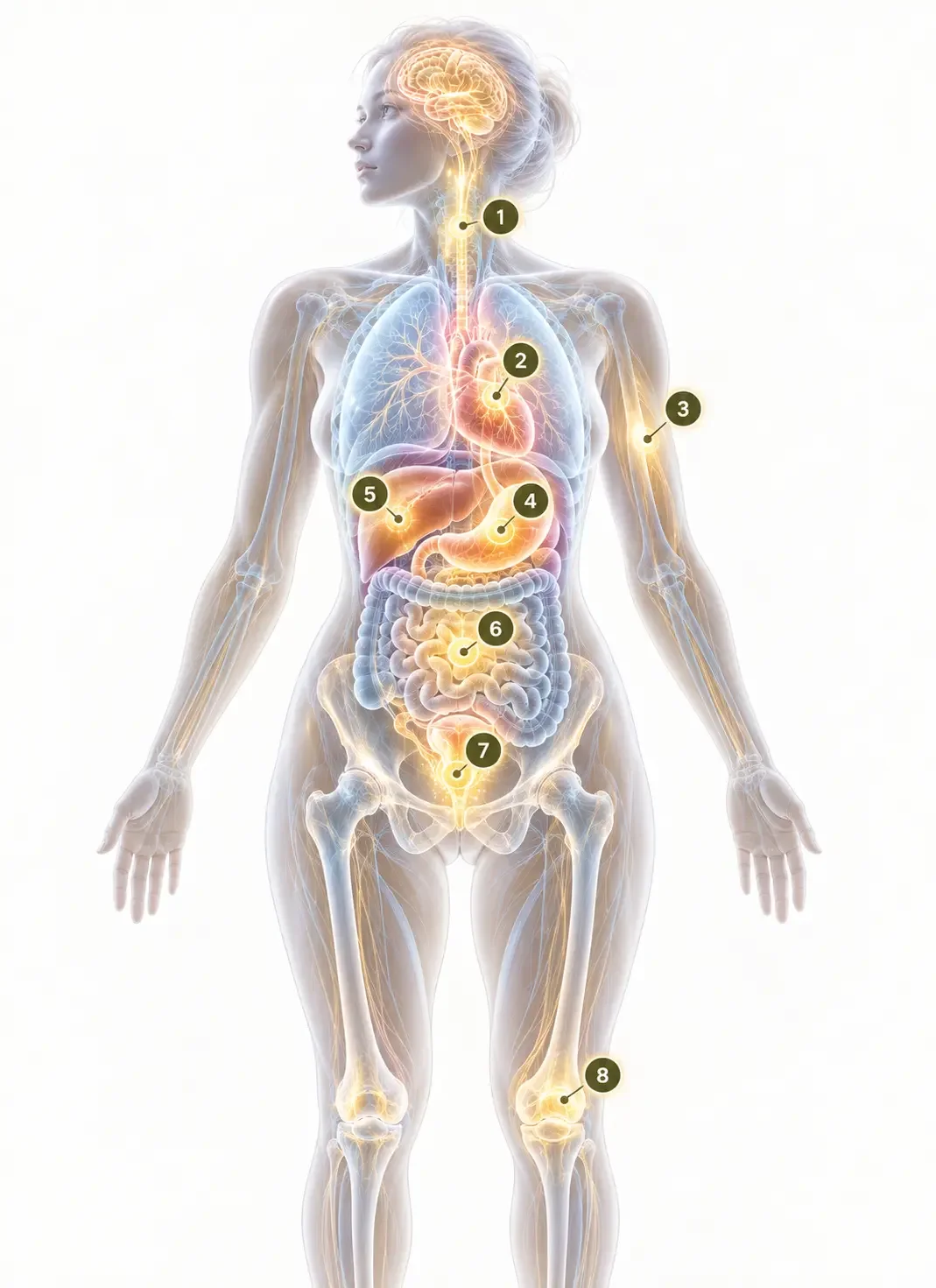
Where weight-related conditions can affect the body. Simplified illustration.
Once extra weight is driving conditions like these, the goal is no longer only the number on the scale. It is protecting your health for the long run.
01
Sleep apnea
Extra weight around the neck narrows the airway during sleep, causing pauses in breathing and daytime fatigue.
03
High cholesterol
Excess weight tends to raise LDL and triglycerides and lower the protective HDL.
05
Fatty liver disease
Fat builds up inside the liver and, over time, can cause inflammation and scarring.
07
PCOS & fertility
Weight affects the hormones that regulate cycles and ovulation.
02
High blood pressure
More body weight makes the heart work harder and raises the pressure inside the arteries.
04
Acid reflux
Belly fat presses on the stomach and pushes acid upward. Your surgeon will choose the procedure that fits your reflux history.
06
Type 2 diabetes
Excess fat makes the body resist insulin, so blood sugar stays high.
08
Joint & back pain
Every extra pound adds load on the knees, hips and lower back.
The 2022 ASMBS/IFSO guidelines recommend metabolic and bariatric surgery for adults with a BMI of 35 or higher, whether or not they have other conditions, and suggest considering it from a BMI of 30 for people with metabolic disease such as type 2 diabetes.
What the medical guidelines say
— Which path fits you
Three honest paths
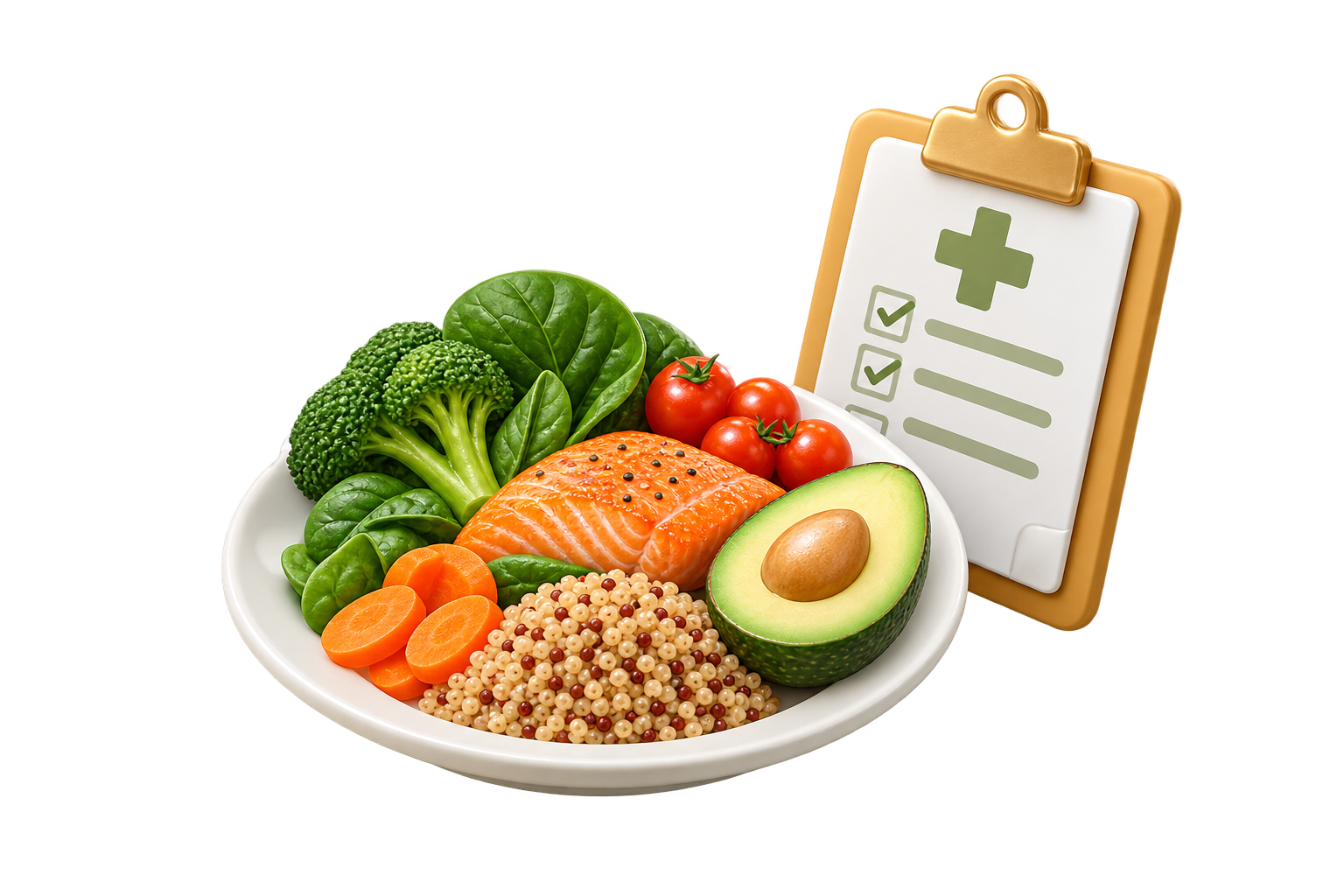
Path A
Medical care first
You have a modest amount to lose, no weight-related conditions, and you are ready for steady long-term follow-up. Start with a nutritionist and an endocrinologist; a GLP-1 may be part of the plan.
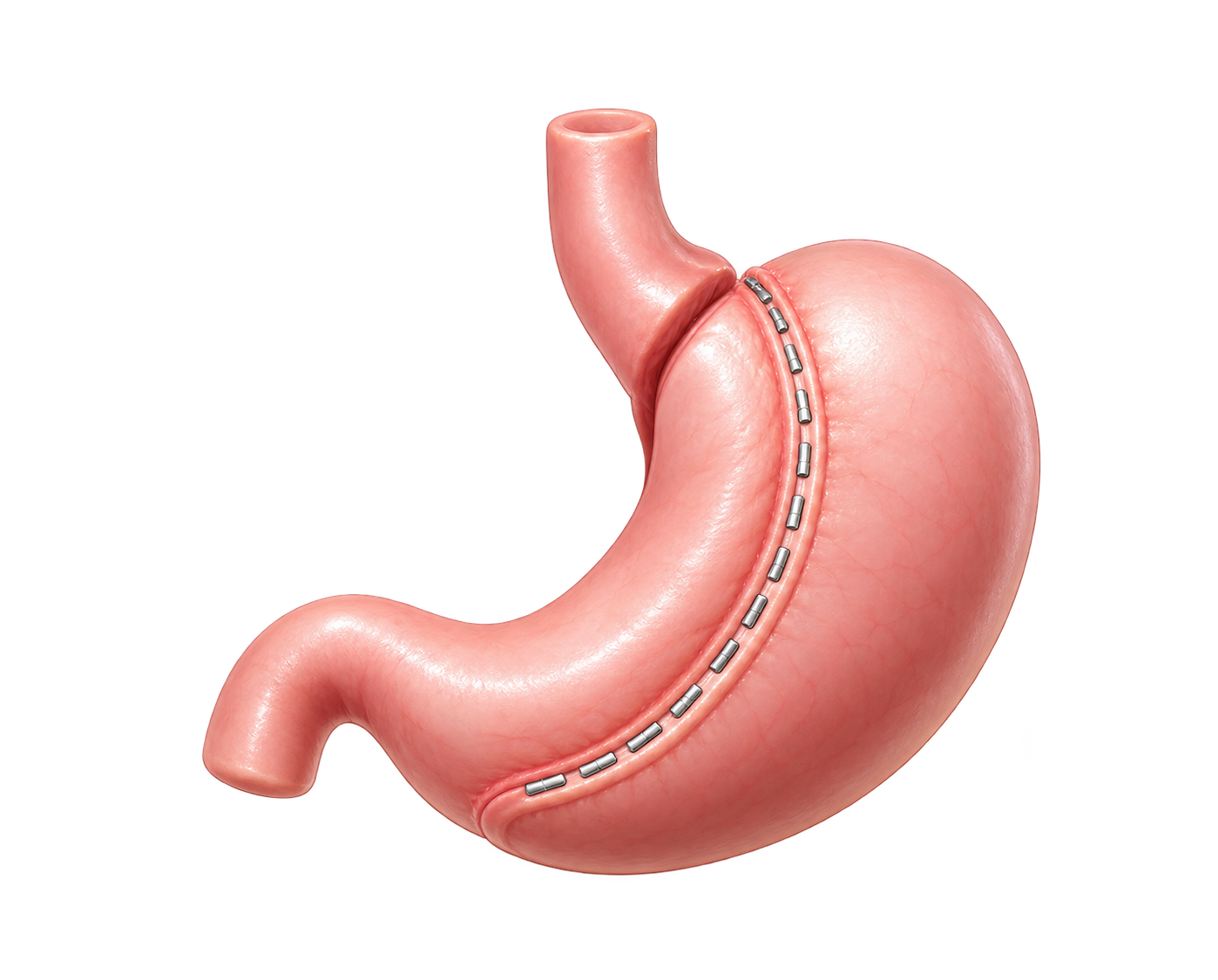
Path B
Gastric sleeve
You have lost and regained weight for years, the hunger never changed, or your weight is already affecting your health. A one-time procedure gives you a lasting tool without a lifelong prescription bill.
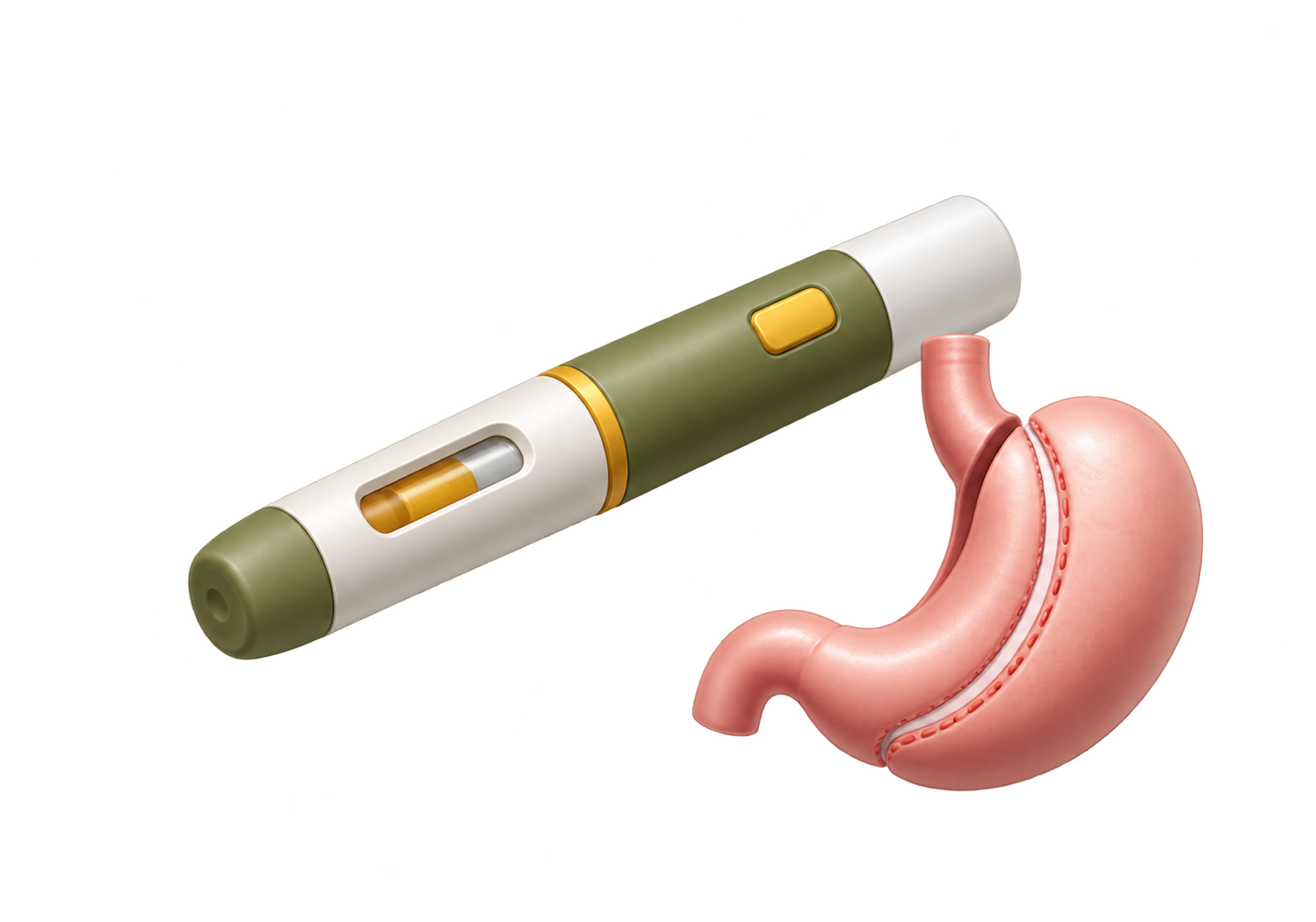
Path C
Both, at the right time
Medication and surgery are not rivals. A GLP-1 can help some patients prepare for surgery, or support them later if weight starts to creep back. Your surgeon can tell you if that applies to you.
— Your surgeons
Two experienced surgeons, one honest recommendation
Our surgeons would rather tell you that you do not need surgery than recommend one you do not need. Every evaluation ends with a straight answer about which path fits.

Dr. Jesús Grimaldi
GENERAL & BARIATRIC SURGERY
Board-certified general surgeon trained at the Autonomous University of Baja California and a member of the Mexican College of Surgery for Obesity and Metabolic Diseases (CMCOEM). He is known for his work with high-risk patients, gastric bypass and revision surgery.
Dr. Sergio Quiñones
BARIATRIC & METABOLIC SURGERY
Board-certified general surgeon specializing in laparoscopic bariatric and metabolic surgery, with more than 10,000 bariatric procedures performed.
— Patient story
You may arrive alone, but you are never truly alone.
“From transportation and administration to the nurses, physicians, cardiologist, and surgical team, everyone was kind, patient, professional, and genuinely caring. I was informed about what was happening every step of the way, and I never felt like just another patient moving through a system.”
“And then there was Dr. Grimaldi. I truly believe he has blessed hands.”
Procedure
Vertical sleeve gastrectomy
Surgeon
Dr. Jesús Grimaldi
Surgery date
July 30, 2026
Solo traveler, age 33. Individual results vary.
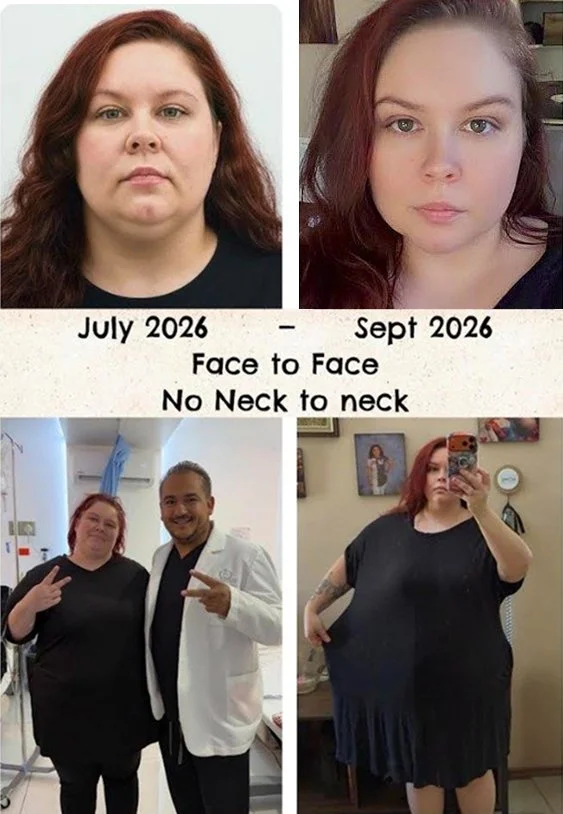
July 2026 to September 2026 · shared with the patient’s permission
— Patient story
Is it easy? Definitely not. But is it worth [it]? 100%.
“The staff is very personal but professional; they go above and beyond to make sure that you feel comfortable and safe. I love the facility, it’s clean like, you can smell the product clean. They have a nice patio area, I didn’t mind getting those post-op steps in if that meant going out there :-)”
“They made sure I was [knowledgeable] about every step in the process and call to check up weekly on my progress… they care and that matters.”
— Donn Bradshaw
Procedure
Vertical sleeve gastrectomy
Surgeon
Dr. Sergio Quiñones
Surgery date
July 10, 2026
Pre-op diet guided by the on-staff nutritionist. Individual results vary.


At the surgery center | 8 weeks after surgery
shared with the patient’s permission
— Start the conversation
Find out which option is right for you
Tell us a little about yourself. Our coordination team will review it with Dr. Quiñones and reply with an honest recommendation, even if that recommendation is not surgery.